Residential and Commercial
General Construction
Big jobs rarely go wrong because of one bad nail. They go wrong in the gaps between trades, drawings and budgets. We bring together skilled craftsmen, project managers, and trusted partners in architecture and design to close those gaps.
When a Project Gets Too Big to Run Yourself
Maybe you started by calling a plumber, an electrician and a framer yourself. Maybe you have a set of plans, a commercial space or a large renovation and no idea who should be running it. This page is about the coordination side of construction: who manages what, how scope and money stay under control, and what a general contractor Nashville TN property owners hire is actually supposed to do. If you are looking for details on a specific kind of job, see whole-home remodeling, additions or commercial build-outs.

Four trades on site and nobody in charge
The tile setter shows up before the plumber has passed inspection. The electrician says the framer left no room. Each person is doing their job, and you are spending your lunch break refereeing. This happens because no one owns the sequence. Each trade only sees its own piece, and without one party holding the schedule, the gaps become yours.
If you only have one or two trades and the work does not depend on anything else, you may not need anyone above them. Painting a house or replacing a heating and cooling system can stand alone. Once three or more trades depend on each other, or inspections have to happen in a particular order, a coordinator usually pays for itself in avoided rework. Cost depends on how much has to be managed and for how long, not simply on the size of the building.
The budget keeps growing and you cannot say why
Budgets rarely blow up all at once. They drift. An item that was never written down turns into an extra. A material choice was assumed to be one thing and priced as another. A small request in the hallway becomes a real change with no paperwork behind it.
Ask yourself three things. Can you point to a written line for each major item? Do you know which items are allowances? Do you know what you have approved so far beyond the original price? If not, stop and get it on paper before more work happens. It can usually be recovered, but the longer it runs the harder it is to sort out.
The fix is dull and it works: a detailed scope of work, accurate pricing, and any change discussed and approved before moving forward. We work to stay on time and on budget this way. No system removes every surprise, but it stops them from turning into arguments.
Bids that cannot be compared
One bid is a single page. Another runs to twelve. The cheap one leaves out demolition, permits and dumpster fees without quite saying so. It feels like a price problem, but it is really a scope problem. Rather than choosing by the final figure, build one list of what you want done and ask everyone to price against it. Ask each bidder to state exclusions in plain words. The gaps usually explain the difference.
Items you plan to buy yourself deserve a line of their own. Cabinets, fixtures or appliances you supply can save money, yet someone still has to check that they arrive on time, fit the opening and are not damaged. Decide who carries that risk before the job begins, because a late or wrong item stalls every trade behind it.
Schedules, Permits and Hidden Conditions
One late delivery and everything stalls
Construction is a chain. Framing waits on engineering, drywall waits on inspections, flooring waits on drywall dust, and every crew has other jobs booked. When one link slips, the next crew may not be available again for a while. Long-lead items such as windows, cabinets and specialty equipment are common culprits, along with weather and permit review.
A realistic schedule identifies these before they bite. Ask to see what is ordered, when it arrives and what depends on it. Project length is shaped by the size of the job, how much is being ordered, how many inspections are required, and how quickly decisions get made. Slow owner decisions are a real factor, so a good manager gives you decision dates too.
Nobody can tell you who is pulling the permit
This one matters more than people think. Whoever pulls a permit generally takes responsibility for the work being inspected. Beware of anyone asking you to pull it yourself as the owner when they will be doing the work. That can shift the responsibility onto you. Requirements vary between cities and counties, so the local permit office is the place to confirm what your project needs. We help with permits as part of the job.
Something ugly turned up once the walls came open
- Stop and call a professional now: sagging beams or big new cracks, sparking or hot wiring, a gas smell (leave the building and call the gas utility or 911), or widespread mold. Do not try to fix these on your own.
- Pause and have it tested: suspect insulation, old flooring or ceiling material that may contain asbestos. In buildings from before 1978, disturbing paint calls for lead-safe practices.
- Price and carry on: rot in a small area, old wiring or piping that needs rerouting, framing that is out of square.
Hidden conditions are normal on a big job, especially in older buildings. Whether a local repair is enough or a larger section should be replaced comes down to how far the damage runs and whether the cause has been stopped. A well-written scope states how such changes will be handled, so the discovery leads to a decision instead of a fight.

New Construction Questions
New construction appears in the work listed on this site, alongside additions, remodeling and commercial build-outs. What it can include depends on the project, so please ask before you plan around it. Tell us what you have, whether that is a lot, a set of drawings or just an idea, and we will tell you plainly if it is something we can take on and what part we would handle.
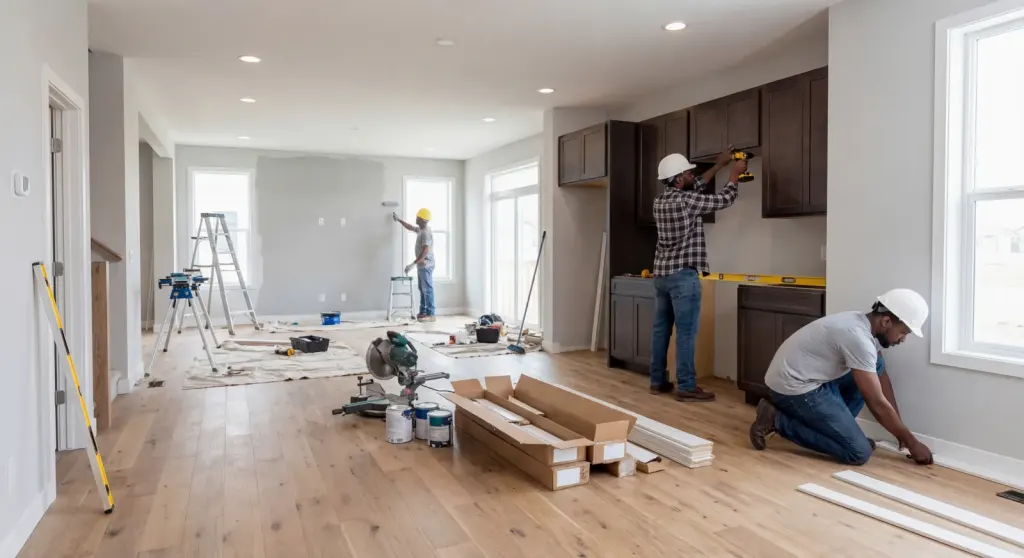
Whoever you end up talking to, a few questions apply to any new construction project:
- Who is responsible for the site, the foundation, the shell and the finishes? Is any of that yours?
- Are the drawings complete enough to price, or only enough to imagine?
- What has the permit office said about the parcel, and which utilities actually reach it?
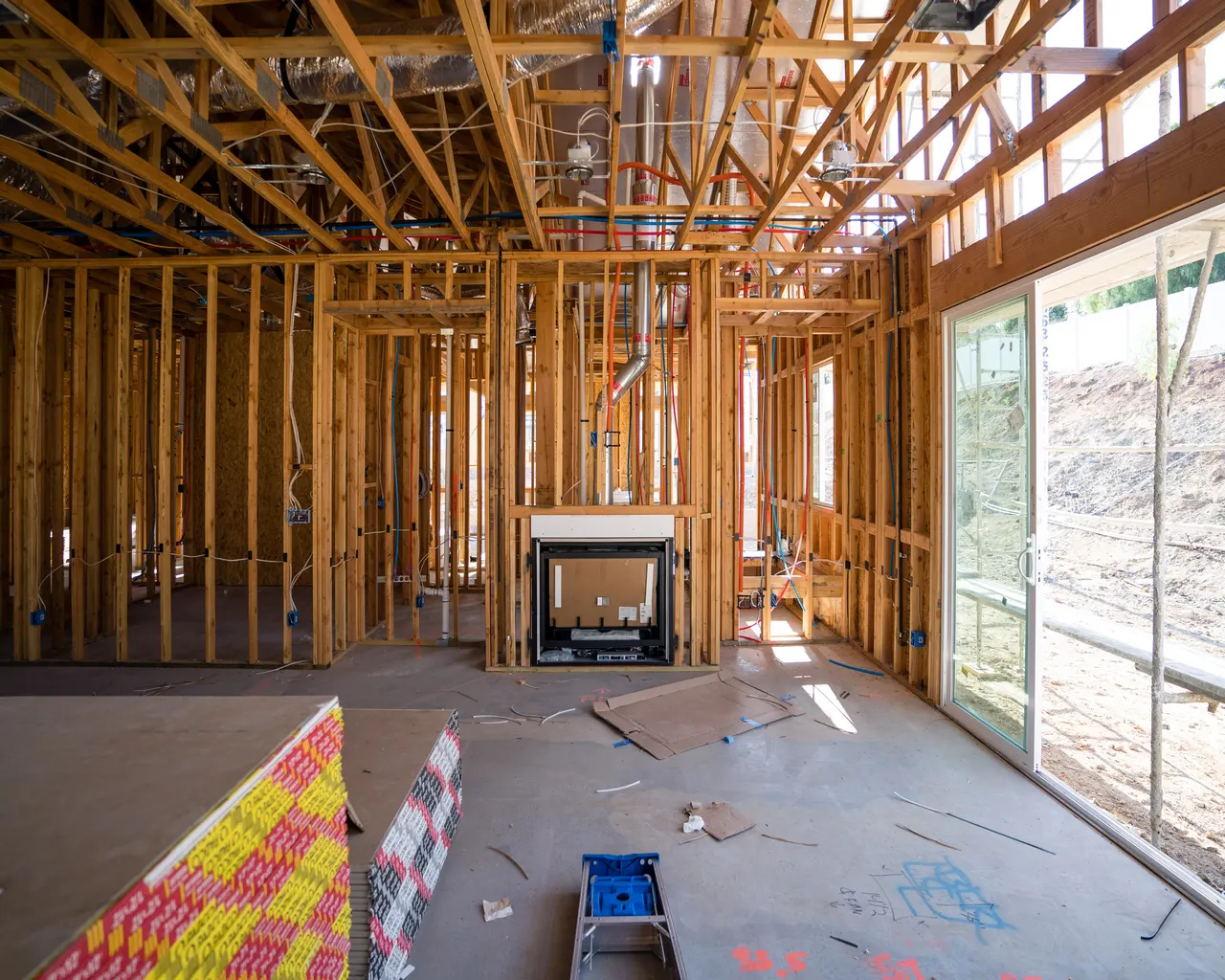
- Which trades are included? Rough-in plumbing and complete HVAC systems for new construction should appear in writing.
If what you want from Nashville home construction is really more room or a better house, an addition or a remodel may do the job more simply. Either way, the first conversation is free.
Choosing Who Runs the Job
Whether you need a general contractor Atlanta GA homeowners and businesses can reach, or one on the Nashville side, ask the same things. We serve a 40-mile radius around both cities. These questions are about management, since that is what you are buying.
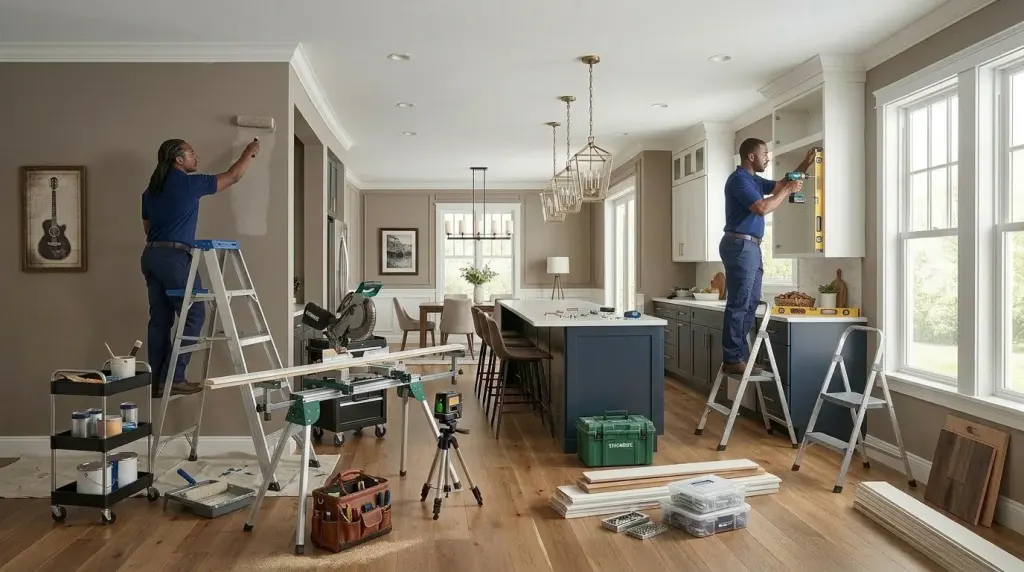
- Who is the actual project manager, and will that person be the one you talk to week after week?
- How do they share schedule updates, and how often?
- May you see a sample scope of work and a sample change order?
- Which work do they do with their own people, and which trades do they bring in? Who answers for those trades?
- How do they pay subcontractors and suppliers, and what paperwork will you receive to show they have been paid? Lien rules vary by state, so ask.
- Are they licensed for this size and type of project in your state, and insured? Ask to see proof. Twelve25 Construction is licensed and insured, with decades of combined experience.
Start with the goal
A free consultation covers what you want, your budget and your timeline.
Write the scope
Every project begins with a detailed scope of work, accurate pricing and a realistic timeline.
Manage the build
Project managers coordinate skilled craftsmen and design partners, and approve changes with you before they happen.
Finish together
A final walkthrough confirms the work against the written scope.
Interior trades can stay in one plan with the structure, including floors, walls and the roof above them.
General Contractor FAQs
What does a general contractor actually do?
Runs the job. That means pricing and scope, scheduling trades in the right order, ordering materials, helping with permits, keeping inspections moving and being the one party accountable for the result.
Do I need a general contractor, or can I hire the trades myself?
For one or two independent trades, hiring directly is often fine. Once trades depend on each other, or structure and permits are involved, one person should own the sequence. If you cannot spare the time, that alone may answer it.
Do you handle new construction?
New construction is part of what is listed on our site, but what fits varies by project. Send us your plans or your idea and ask. We will tell you directly and will not guess.
Do you work on both homes and businesses?
Yes. We do residential and commercial work in the Nashville and Atlanta areas.
How are changes handled partway through a job?
Any change is discussed, priced and approved before moving forward. Get that in writing with any contractor, including us.
How do I get started if I only have a rough idea?
A rough idea is enough. Request a free estimate and describe the problem you are trying to solve. We will help turn it into a real scope.
Serving the Nashville and Atlanta Areas
We provide general construction within 40 miles of Nashville, TN and within 40 miles of Atlanta, GA. See the areas we serve, or call (615) 478-5705 in Nashville or (770) 669-1314 in Atlanta.

Let’s Build Something Great Together.
Ready to start your next construction or remodeling project? Tell us about your space and request a free estimate.