82% owner-occupied, in south Robertson County
Handyman Services Greenbrier TN Owners Use to Keep a Long-Held House in Shape
Most Greenbrier households own their detached home, so upkeep decisions land on them directly. Here is a practical view of seasonal care, crawl spaces and outbuildings, and what the city's permit form asks for.
Greenbrier at a Glance
- Location
- 17.9 miles north of central Nashville (straight line)
- County
- Robertson County
- Population (2023 estimate)
- 6,951
- Housing units
- 2,522
- Median year homes were built
- 1997
- Owner-occupied homes
- 82%
- Detached single-family homes
- 85%
- Built before 1970
- 13%
- Built 2010 or later
- 10%
Sources: US Census Bureau 2023 Gazetteer, Vintage 2023 population estimates, and American Community Survey 2023 5-year estimates for the place. County is taken at the place’s center point; some communities extend into other counties.
Owner-occupied, detached and now settling into middle age
Greenbrier has one of the higher ownership rates among the towns north of Nashville in the Census data: about 82% of occupied homes are owner-occupied and about 85% of its roughly 2,500 units are detached single-family houses. The median year built is 1997. Around 56% of homes date from 1990 through 2009, about 21% from 1970 through 1989, and about 13% from before 1970. Only about 10% have gone up since 2010.
So the typical Greenbrier house is not new and not old. It has probably been through one roof, maybe one HVAC system, and a lot of ordinary wear. Because so few of these homes are rentals, there is usually no landlord or management company to call. The list belongs to the person living there, and small things tend to wait until a free weekend that never quite arrives. That is where handyman services in Greenbrier TN make sense: not for a rebuild, but for clearing the small things before they cost more.
The town has an interesting backstory too. An 1886 county history calls Greenbrier the youngest town in Robertson County, built up since 1876 on the Louisville and Nashville Railroad, and credits a large nearby distillery, which employed many coopers and other workers, for its early growth. Almost nothing in the housing data reaches back that far, though about 4% of homes do predate 1950.
A year of upkeep for a house like this
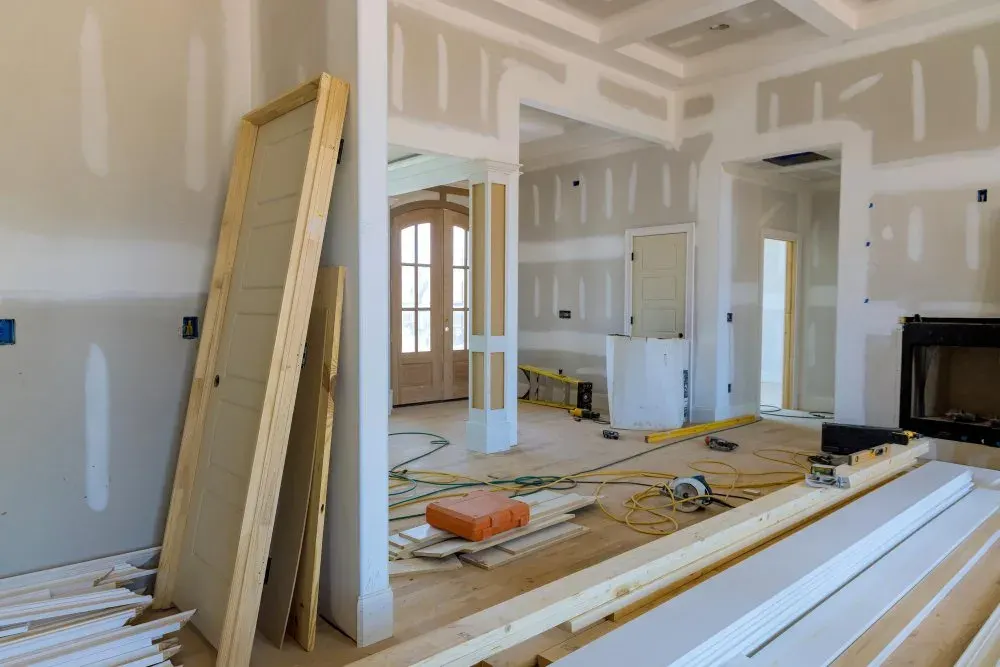
No schedule fits every house, but a rough calendar keeps the list from piling up. Most of these are half-day items, and many suit a single visit from our handyman team.
Early spring
Look over the roof from the ground after winter, clean gutters, and check that downspouts drain away from the house. Open crawl space access and look for water. Book gutter cleaning if you would rather not be on a ladder.
Late spring
Test exterior caulk and paint at the window trim on the south and west sides. Inspect decks for loose boards, wobbling rails and rusted fasteners, and take care of anything found before summer use.
Summer
Service cooling equipment and change filters. Watch for condensation on ducts and pipes in the crawl space, and check attic ventilation on a hot afternoon. Touch up exterior wood before the fall rain.
Fall
Clean gutters again once the leaves are down. Weatherstrip doors, seal gaps around pipes and vents where they enter the house, and have the heating system checked.
Winter
Disconnect garden hoses, cover exposed spigots, and know where your main water shutoff is. Inside jobs fit here: patching drywall, fixing doors, replacing fixtures and painting a room.
Write down what you find and when you fixed it. A simple running note on your phone makes the next round of decisions easier, and it gives a future buyer something useful to look at. A few of these, such as a deck repair or a stubborn roof stain, may turn out to be bigger than they looked; if so, we can scope them separately with free estimates.
Crawl spaces deserve a look
The Census does not report foundation types, but the city’s own residential permit application asks whether a project sits on a slab, a crawl space or a basement. It goes on to ask whether I-joists are used in the crawl space and whether any appliances are located there, which suggests how often those questions come up. Check which you have, and if it is a crawl space, take a flashlight and look around once or twice a year.
Here is what to look for and what it may mean:
- Standing water or a damp smell: usually a drainage issue outside, so check gutters and grading before anything else
- Sagging insulation or fallen vapor barrier: often a sign of past moisture or pests, and simple to correct once the cause is known
- Dripping pipes or a sweating duct: small leaks can run for years with nobody noticing them from above
- Soft or dark wood at the rim joist or under a bath: this calls for a closer look by someone who can tell surface staining from rot
- Equipment in the crawl space: keep access clear, and make sure it is raised above any water
Soft spots in a floor above usually show up first as a squeak or a slight bounce near a tub or toilet. Our plumbing team can trace the source, and flooring repairs can follow once it is dry. Be careful with spray foam or sealing vents on your own; a crawl space’s moisture balance is easy to upset, so get advice for your specific house.
Sheds, decks and what the city’s application says
Outbuildings get their own attention on the city’s paperwork. The permit form spells out several rules that are worth reading before you buy a shed kit or pour a pad.
- Buildings must be 5 feet off any side or rear property line
- Buildings must be placed beside or behind the residence, unless the property is in the A or RA zoning district and the planning commission has approved the building
- Lot coverage limits vary by zoning district, from 15% in A and RA up to 50% in RD
- Buildings are not allowed on public utility or drainage easements
- The homeowner is responsible for complying with any subdivision rules or covenants
- A paid receipt for the adequate facilities tax and a site plot must accompany the application, and the form points to the Robertson County Planning Department for tax questions
The form covers covered patios and porches, additions, remodels, carports, detached garages, pole barns, sheds and decks. It also tells the owner or contractor to get utility lines located first, through Tennessee 811. Forms change over time, and this one lists an older address and contact, so check with Building and Codes for the current version before submitting.
If a bigger change is on your mind, like a garage, a covered porch or a home addition, those are outside handyman scope and call for full plans. We prepare a written scope and clear pricing for that work, with design partners when needed.
How permits and complaints work through Cloudpermit
Greenbrier handles this online. The city’s Online Permits page says it uses a platform called Cloudpermit for building permits and inspections, code enforcement and planning and zoning. You can apply and track status, schedule or cancel inspections, message the building department, request changes and pay fees through an account. The Building and Codes department says it enforces the latest adopted codes, and it lists the code resources and zoning ordinance it relies on.
The city’s page does not list exactly which jobs need a permit, so ask before you start anything structural. The department’s phone number is on its site. For small repairs, a quick question costs nothing.
Yard work has its own rule. The city’s stormwater ordinance requires a land disturbance permit for development or redevelopment of 10,000 square feet or more, or less if part of a larger plan. It exempts minor activities such as home gardens, landscaping, repairs and maintenance that result in no soil erosion leaving the site, though it notes that erosion controls may still be enforced through building permits. Keep your dirt on your own lot, and keep it out of the ditch. Streamside work needs more care, because the ordinance also sets riparian buffer rules.
The older houses in town
About one Greenbrier home in eight predates 1970, so a smaller group of owners has a different list. In those houses, a small repair can uncover something bigger. A loose outlet may reveal older wiring, and a patch near a window may disturb paint that contains lead. The EPA’s lead-safe rules apply to paid work that disturbs painted surfaces in homes from before 1978, and they matter even for modest jobs like planing a door or scraping a sill.
Older exterior wood also tends to need steady attention. Check window sills and the lowest course of siding first, since those places hold water longest. Probe with a screwdriver: firm wood can be sanded and repainted, while soft wood should be cut back and replaced. Our siding and exterior work covers the jobs that go past a touch-up.
Who to call for what
Being clear about scope saves everyone time. A short guide to where things fit:
Small, single-trade jobs
Doors, trim, fixtures, drywall patches, caulk, gutter cleaning and minor deck boards are handyman work. Group them into one list.
Finish upgrades
New paint, plank floors or a refreshed bath are next. They usually take more planning but few, if any, structural changes.
Systems
Water heater swaps, HVAC work and roof leaks call for the right trade. Ask about permits for anything beyond like-for-like repair.
Whole-project work
Kitchens, additions and basement conversions need a full scope. Our home remodeling page describes those.
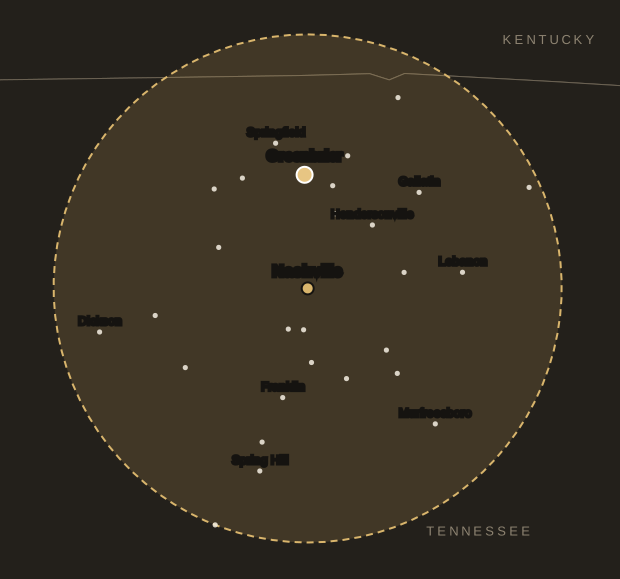
Greenbrier sits about 18 miles north of downtown Nashville, between Millersville and Springfield. The services we offer are the same across this stretch, but each town’s forms and rules are its own. If you are unsure where your house sits on this list, send a few photos and a description through our estimate request page, and start the conversation from there.
Sources for Local Facts
- Robertson County TNGenWeb: Greenbrier community (1886 Goodspeed history)
- City of Greenbrier: Residential and Accessory Building Permit Application
- City of Greenbrier: Online Permits
- City of Greenbrier: Building and Codes
- City of Greenbrier: Stormwater Ordinance (2023)
- EPA: Renovation, Repair and Painting Program
Let’s Build Something Great Together.
Ready to start your next construction or remodeling project? Tell us about your space and request a free estimate.