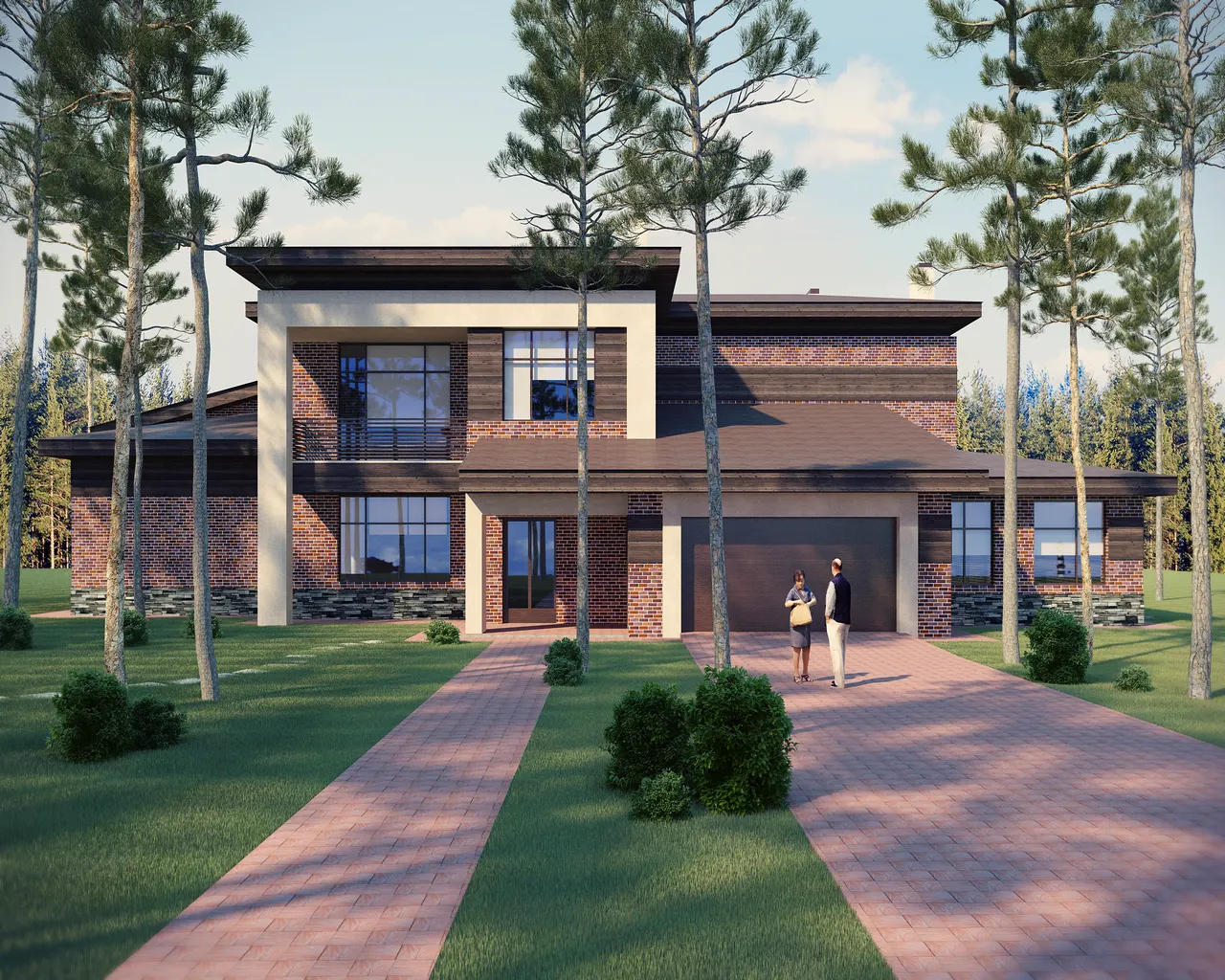
New homes, additions and rebuilds
Home Construction in Nashville, TN: Planning a New Build or Major Addition
Nashville's housing runs from prewar streets to homes finished in the last few years, and each lot carries its own rules. This guide covers what to check before you commit to a plan.
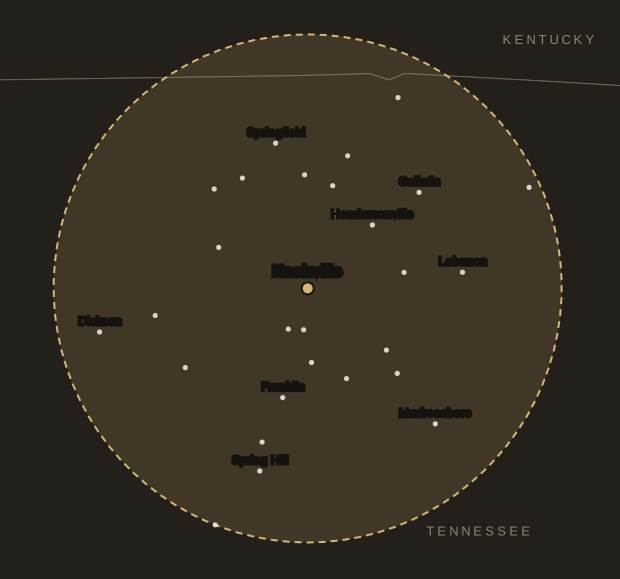
Nashville at a Glance
- Location
- Market center
- County
- Davidson County
- Population (2023 estimate)
- 687,788
- Housing units
- 333,074
- Median year homes were built
- 1985
- Owner-occupied homes
- 53%
- Detached single-family homes
- 50%
- Built before 1970
- 30%
- Built 2010 or later
- 19%
Sources: US Census Bureau 2023 Gazetteer, Vintage 2023 population estimates, and American Community Survey 2023 5-year estimates for the place. County is taken at the place’s center point; some communities extend into other counties.
What the city’s housing numbers say before anyone draws a plan
Census figures describe a city in the middle of a long rebuild. Of roughly 333,000 housing units, about 19% went up in 2010 or later and another 25% between 1990 and 2009. At the other end, 30% predate 1970, and one home in ten is older than 1950. A median build year of 1985 hides that spread, because a block of new townhomes can sit a short walk from a house old enough to have plaster walls and a stone foundation.
Tenure and building type vary just as much. Owners occupy about 53% of homes, and only half of all units are detached single-family houses. That matters when you think about home construction, Nashville style: a good share of what gets built or reworked here is attached, rented or both, so shared walls, access for materials and tight side yards can shape a project as strongly as the budget does.
We serve owners across Davidson County with new construction and general contracting, home additions and whole-home remodeling. The sections below are meant to be useful even if you never call us. They explain which office decides what, what two very different disasters taught the region, and how to tell whether a lot suits a new house, an addition or a careful repair.
Four questions to settle about a lot before you build
Most surprises in Nashville home construction come from facts that were available on day one. These four checks are worth doing before you pay for finished drawings.
Does a historic overlay apply?
Metro has three kinds, and they reach different work. A Metro Historic Zoning Commission brochure explains that a Neighborhood Conservation overlay guides new construction, additions, demolition and moving a structure. Historic Preservation and Landmark overlays go further, reaching fences, driveways, reroofing, siding, windows, exterior doors and painted masonry. Where a permit of this type is needed, it comes before the building permit. That brochure dates from 2010, so confirm current rules with the Historic Zoning Division of the Planning Department.
Is any part of the parcel in a floodplain or floodway?
Metro Water Services says homes built in the floodplain need a lowest finished floor four feet above the 1-percent-annual-chance flood elevation, that fill must be balanced by removing an equal volume of soil from the same area, and that development in the floodway is generally prohibited. Those three rules can change a house design, or rule out a lot altogether.
Will the earthwork need a grading permit?
Metro’s grading permit guidance exempts some single-family basement and footing excavation, within limits such as 100 cubic yards of material, 10,000 square feet of disturbed land and final slopes no steeper than one vertical to three horizontal. The exemptions do not apply in a designated floodplain, or in a watershed that drains to a sinkhole or drainage well.
Which permits follow from all of that?
Metro’s Codes and Building Safety Department lists separate building, electrical, plumbing and gas-mechanical divisions, while stormwater grading sits with Metro Water Services. New development and significant redevelopment also have to preserve water quality buffers along streams and wetlands, so a creek at the back of the lot deserves an early look. Confirm your specific project with those offices, since this page is orientation and not code advice.
Two events that changed how people here think about a building site
May 2010: water came from small creeks as well as the big river
The National Weather Service recorded 13.57 inches of rain over May 1 and 2, 2010, more than double the previous two-day record of 6.68 inches. The Cumberland crested at 52.55 feet downtown on May 3, which is still short of the 56.20-foot record from 1927. The numbers that matter most for a homeowner may be the smaller streams. Mill Creek set a new record of 21.37 feet at Woodbine, Richland Creek reached 19.99 feet, almost five feet over its 1979 level, and high-water marks put the Harpeth at Bellevue at 33.32 feet.
It also was not a one-time lesson. On March 27 and 28, 2021, 7.01 inches fell at the airport and severe flash flooding hit the southern half of the city, with Mill Creek at Woodbine reaching 20.85 feet, second only to its May 2010 crest. A house that stayed dry once tells you less than the current flood map and a look at where water would travel on the lot.
March 2020: a narrow band with a very long reach
NWS Nashville’s survey of the March 3, 2020 tornado rated it EF-3 with peak winds near 165 mph and a path of about 60 miles across Davidson, Wilson and Smith counties. In Davidson County the survey names North Nashville, Germantown, East Nashville, Five Points, Lockeland Springs, Donelson and Hermitage, among other places along the track.
If you are buying or adding on within that band, ask for permit records and repair invoices. Older homes that took partial damage may have a new roof over framing that nobody opened up, and a later owner has no way to know without looking. Before stacking a second story on such a house, have someone examine the existing rafters, walls and connections rather than assuming they are unchanged.
New house, addition or rebuild: choosing the honest answer
People often arrive set on one option. The lot and the existing structure sometimes argue for another. Here is how we would think through each path with you.
Building new on an empty or cleared lot
This gives the most freedom over layout, insulation and mechanical systems, and it also puts every check above in play at once. Budget time for surveys and for grading, drainage and utility questions before you fall in love with a floor plan. On a narrow parcel, ask early where materials and equipment will sit during framing.
Adding to a house you already like
An addition usually makes sense when the original structure is sound and the setbacks leave room. The tie-in is where the work gets demanding: matching floor heights, carrying new roof loads and bringing old wiring or ductwork up to what the new space requires. A conservation overlay can still review this work, so look before you design.
Reworking the shell you have
For a house from the 1950s or 1960s, and Census data puts 20% of city homes in that window, a gut renovation can keep mature trees, an established footprint and neighborhood scale. Expect to find older supply lines, undersized panels and uneven framing once the walls open. Keep a contingency in the plan for what sits behind the plaster.
Any of these may also include custom renovation work on the rooms you keep, and basement finishing where a sound, dry foundation offers usable space. A dry basement is the condition that makes the rest possible, so deal with water first.
Reading a house by its decade
A build year will not diagnose a house, but it does tell you where to look first. The share figures below come from the Census.
- Before 1950 (10% of homes): check foundations, wiring age and any past structural changes. Paint on these houses very likely includes lead layers. EPA’s Renovation, Repair and Painting rule requires lead-safe practices when paid crews disturb paint in homes built before 1978.
- 1950 to 1969 (20%): the same lead rule applies. Crawl spaces, duct layouts and bathrooms that have never been fully updated tend to be the first remodeling conversations.
- 1970 to 1989 (27%): many of these homes have reached a second or third roof and an aging HVAC system. Some built before 1978 fall under the lead rule as well, so have the date confirmed before anyone sands trim.
- 1990 to 2009 (25%): kitchens and baths are often original or nearly so. Original windows, water heaters and exterior sealants have typically aged out or are close.
- 2010 and later (19%): this is the first repair cycle. Look at flashing, deck ledgers, grading around the foundation and how drywall has settled. Attached units also have shared-wall and association rules to read before any exterior change.
With 30% of homes older than 1970, an old-house assumption is reasonable in many parts of the city and wrong in plenty of others. Knowing the actual year saves a lot of guessing.
Questions worth putting to any builder
Anyone comparing home builders Nashville TN owners recommend should look past the portfolio and ask how a firm handles this city’s particular steps. Whether you hire us or someone else, these questions separate a careful plan from a hopeful one.
- Who checks the overlay, flood map and grading limits, and when does that happen relative to the design work?
- Which permits will be pulled, in whose name, and how will trade inspections be sequenced?
- What does the written scope include, and what is listed as an allowance or an exclusion?
- How will the site be protected from erosion, and where does runoff go during construction and afterward?
- If the existing structure hides a problem, how will that be documented and priced before more work proceeds?
New home builders in Nashville TN should be able to answer those plainly and put the answers in writing. Twelve25 is licensed and insured, and we provide a detailed scope with clear pricing before work starts, with project managers, skilled craftsmen and architecture and design partners handling their own parts of the job. For a look at finished work, visit our projects page. To talk through a specific lot, you can request a free estimate.
Smaller jobs that keep a Nashville house in shape
Not every property needs a builder. A lot of the value in an older or newer home comes from modest upkeep done before it becomes a larger bill, and these jobs are also part of what we serve in the city.
Repairs around the house
If you are looking for handyman Nashville TN service, our Nashville handyman services cover the punch-list items that pile up, and they work well for landlords of the rental homes that make up so much of the city’s housing.
Keeping water moving
Gutter cleaning Nashville owners put off tends to show up later as fascia rot or wet soil against the foundation. Heavy tree cover calls for more frequent visits. If you are looking for Nashville gutter cleaners, see our gutter cleaning page. We do not install gutters.
Walls and ceilings
Plaster cracks in a prewar house and nail pops in a 2015 townhome are different problems. Our drywall repair Nashville work addresses patches, seams and water-stained ceilings, once the source of the leak has been found and fixed.
Outdoor structures
A rotted ledger board is a safety issue and not only a cosmetic one. For deck repair Nashville TN homeowners can ask us to look at boards, railings and attachment points. Permit needs depend on what is being changed, so we confirm that with Metro Codes.
Roofs deserve their own mention after the storms described above. Our roofing services include inspection, repair and replacement, and an inspection is a sensible first step if you have just bought a home whose roof history you cannot trace.
Common questions from people building in Davidson County
Does every historic overlay stop me from changing my windows or roof?
No. According to Metro’s brochure, a Neighborhood Conservation overlay does not review repairs such as reroofing or window replacement, while Historic Preservation and Landmark overlays do. Check which one applies to your address with the Historic Zoning Division.
My house was untouched in May 2010. Can I assume the lot is safe from flooding?
No. A dry result in one storm says little about the next, as the different pattern of the March 2021 flash flood suggests. Look up the current flood map and ask Metro Water Services about your parcel before planning a basement or an addition.
Can a basement dig avoid a grading permit?
Sometimes. Metro lists basements and footings for single-family and duplex structures among its exemptions, subject to limits on volume, area and slope. A floodplain removes the exemption. Confirm with Metro Water Services before excavating.
Is my 2016 house too new to need attention?
A home that age has usually had little maintenance beyond filters and paint, which is exactly why flashing, caulk, deck connections and drainage are worth checking now. It is a cheap time to catch those items.
Do you take on projects in the small cities inside the county?
Yes. We serve places such as Oak Hill and Forest Hills, which run their own permitting, as well as Goodlettsville, whose permit path changes at the county line. Their pages explain those differences.
Sources for Local Facts
- Metro Nashville Codes and Building Safety: Construction and permits contact list
- Metro Water Services: Who needs a grading permit
- Metro Water Services: Build responsibly (floodplain construction)
- Metropolitan Historic Zoning Commission: Historic zoning brochure (June 2010)
- National Weather Service Nashville: May 2010 flood
- National Weather Service Nashville: March 2-3, 2020 tornadoes
- National Weather Service Nashville: March 27-28, 2021 flooding
- U.S. EPA: Renovation, Repair and Painting program
Let’s Build Something Great Together.
Ready to start your next construction or remodeling project? Tell us about your space and request a free estimate.