
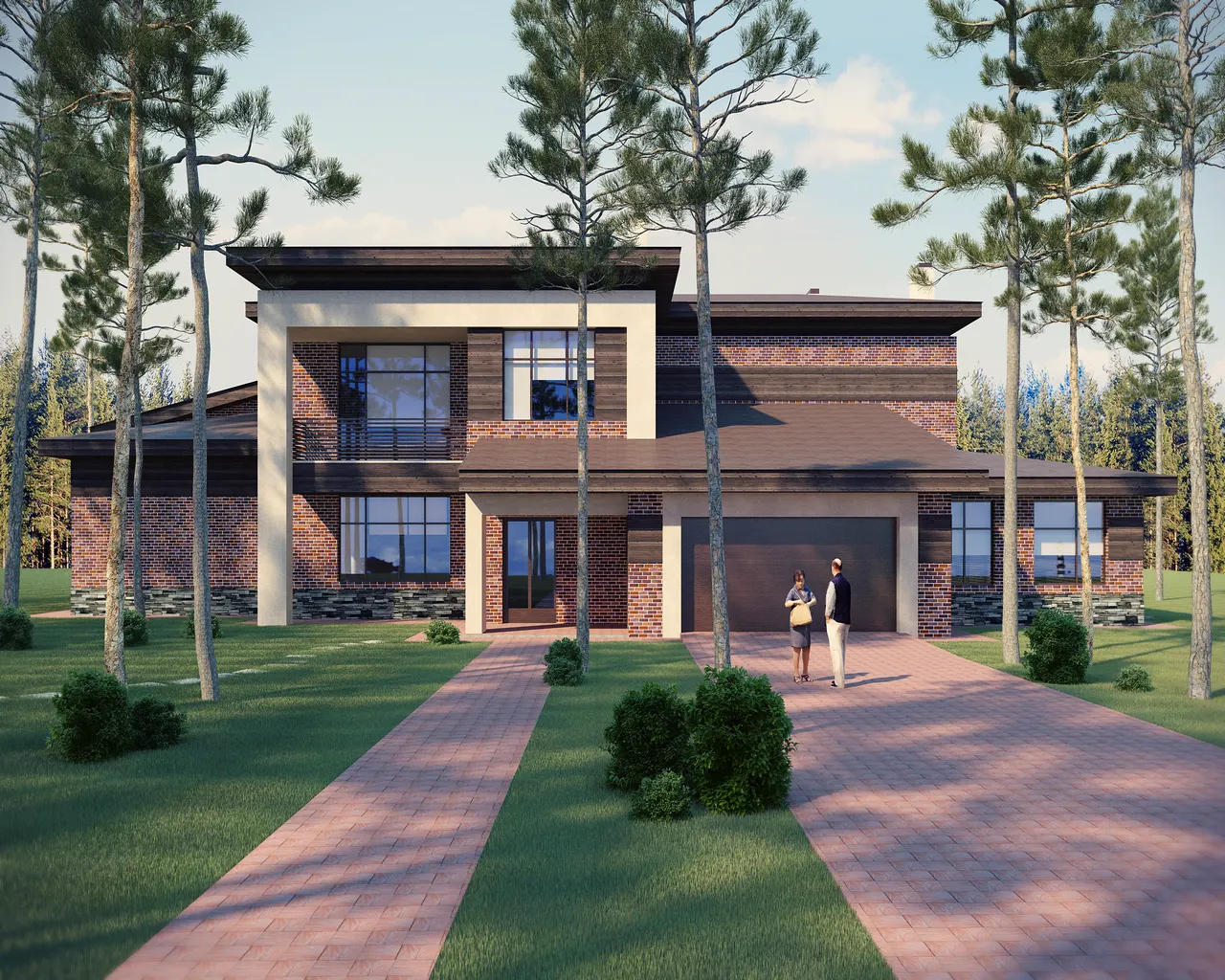
Older housing and a hard storm history
Deck Repair in Griffin, GA
Spalding County's seat has much older housing than the suburbs north of it, and most occupied homes are rented. Decks and porches on those homes need a careful look at what holds them up.
Griffin at a Glance
- Location
- 35.6 miles south of central Atlanta (straight line)
- County
- Spalding County
- Population (2023 estimate)
- 24,044
- Housing units
- 10,430
- Median year homes were built
- 1974
- Owner-occupied homes
- 39%
- Detached single-family homes
- 62%
- Built before 1970
- 46%
- Built 2010 or later
- 9%
Sources: US Census Bureau 2023 Gazetteer, Vintage 2023 population estimates, and American Community Survey 2023 5-year estimates for the place. County is taken at the place’s center point; some communities extend into other counties.

Start underneath, not on top
People usually call about the surface: a split board, a rail that wiggles, boards gone gray. Those matter, but the parts that hold a deck up are the ones to check first. Anyone can do a basic look with a flashlight, a screwdriver and fifteen minutes. If you need deck repair Griffin GA owners and landlords should begin here, before asking for prices.
The connection to the house
Find where the deck meets the wall. That long board is the ledger. Look for bolts rather than only nails, for metal flashing over the top edge, and for dark staining or soft wood behind it. A failed connection at this point is one of the more serious problems a deck can have.
Posts and footings
Check where posts meet the ground. Probe wood near the base with a screwdriver. Wood sitting in contact with soil or wet leaves goes soft much faster, and a post that has shifted off its footing needs attention soon.
Joists and hangers
From below, look along each joist for sagging, dark rot at the ends, and rusted metal hangers. Georgia humidity and shade work slowly but thoroughly on hardware that was never meant for that exposure.
Stairs
Stringers, the sloped boards that carry the steps, often rot first at their bottom end. Shake each handrail hard. Stairs get the most use and often get the least inspection.
Railings
Lean against each section, firmly and carefully, with someone else nearby. Posts that were simply notched and nailed on tend to loosen with years of use.
Boards last
Cupped, split or popped boards are usually the easy part. Flip a sound one if the underside is clean, or replace it to match.
If you find soft wood at the ledger, a post that has moved or a stair that flexes, keep people off that section until someone has looked at it. Our deck repair page outlines what can usually be fixed in place and what may need to be rebuilt.
Why age matters more here than in nearby towns
Griffin was founded in 1840, and the Macon and Western Railroad reached a new station here in 1842, according to a general history. The housing still shows that long record. The median home dates from 1974, against 2004 in Hampton and 2006 in McDonough, just to the north. About 17% of the 10,430 housing units were built before 1950 and 29% between 1950 and 1969. Add those together and 46% predate 1970. Another 20% are from 1970 to 1989, 26% from 1990 to 2009, and just 9% from 2010 or later.
On a house with that much history, a deck is probably not original. It was likely added at some later point, perhaps by a previous owner, and possibly more than once. There may be no drawings, no permit record you can easily find and no way to know how it was attached without looking. A porch may be the original kind, built into the house, with its own roof and its own set of problems. Treat each one as a separate structure with its own story.
Two chemical questions on older wood and paint
Older pressure-treated lumber brings up chromated copper arsenate. The EPA says manufacturers voluntarily stopped making CCA-treated wood for homeowner uses in December 2003, and that before then it was used in structures such as decks and play sets. The agency does not require removing existing structures. It does advise wearing goggles and a dust mask when sawing it, washing your hands afterward, never burning it, and regularly applying a penetrating stain to reduce leaching. Do not grind it up for mulch. For a deck built before 2004, assume this is what you have unless you know otherwise.
Painted railings, porch ceilings and old window trim bring up lead. The EPA puts the odds of lead paint at about 87% for buildings from before 1940, 69% for 1940 to 1959, and 24% for 1960 to 1977. Its renovation rule covers paid workers who disturb that paint in pre-1978 homes. Scraping a porch rail counts.
After the January 2023 tornado
Griffin has a very recent storm to reckon with. A general summary says an EF3 tornado heavily damaged the western part of the city on January 12, 2023, with 18 injuries along its path. A fuller account of that outbreak puts peak winds at an estimated 155 mph and reports about 1,465 homes affected in Griffin and 754 elsewhere in Spalding County. Those figures come from an encyclopedia article, so check the National Weather Service or county records if you need them for anything formal.
Almost four years on, a deck or porch can still hold a record of that afternoon. Repairs after any storm of that size tend to happen under pressure, with materials and labor in short supply, and nobody can say how a given job went without looking. If you bought a house on the west side after the storm, or you repaired one yourself, these are worth a look:
- A deck that was reattached after siding work. Check that flashing went back correctly over the ledger.
- Railings and posts struck by falling limbs that were straightened instead of replaced.
- Posts near where a large tree came out. Soil disturbed by a root ball may have settled since.
- Mismatched boards. These are not a defect by themselves, but they show you where to look underneath.
- Roofs and siding at the same corner of the house. Our roofing services and exterior work can look at those if something seems off.
Keep whatever paperwork you have. Permit records, invoices and insurance files can help later on when you sell, or if another claim ever arises.
Rental decks and who answers for them
Only about 39% of occupied units here are owner-occupied, compared with 92% in Tyrone and 96% in Senoia, and about 62% are detached houses. That puts a lot of decks and porches under landlords, property managers and out-of-town owners, who may see the back of the house only once in a while. A tenant may notice a soft stair tread long before anyone who can approve a fix hears of it.
If you own rentals, it helps to ask tenants directly about the deck, and to look at it at each turnover. Ask them to report wobbling rails, and take the reports seriously. Note that the EPA’s lead rule specifically names landlords and property managers among the paid workers it covers, and that its exemption for owners working on their own home does not reach a home that is rented out. We can group small items, such as a stair, a rail and some interior drywall or paint touch-ups, into one written scope. Our handyman services are often the right size for that.
Repair it or rebuild it?
Usually repairable
A handful of bad boards, a loose rail section, a single rotted stair tread, or rusted hardware on otherwise sound framing. Replace the parts in kind, seal any fresh cuts on treated lumber, and keep debris off the surface so it can dry.
Needs a closer look
One soft post, rot at the ends of a few joists, or a stair stringer that has split. Each can often be repaired on its own, though the fix may need new footings or sistered framing, and that may bring in a permit.
Often better to rebuild
A ledger with no flashing and wet wood behind it, rot across many joists, or a structure that was never properly attached. Paying for many small repairs on a poor frame can cost more than starting again, and the result is less sound.
On a rental, weigh that choice with the next ten years in mind, rather than just the next tenant.
City offices that may have a say
Within city limits, published permit guidance names the Department of Planning and Development Services at One Griffin Center, 100 South Hill Street, and says decks and porches appear on Griffin’s published permit checklist. The city’s own permits and inspections page blocked our attempt to read it, so call to confirm before relying on that. Ask specifically whether replacing boards in kind differs from rebuilding framing, since the guide says it found no public list of exempt work.
Two other offices may matter. The National Register lists a Griffin Commercial Historic District downtown, and the city has a historic preservation program, so ask staff whether your address falls under any review, especially if the property is near downtown. Drainage is the other. A 2001 case study of the city’s stormwater program says the utility was set up by ordinance in 1997 after a long public campaign, that the city had six major drainage basins and failing components to repair, and that residential permit applicants at that time received erosion guidelines and signed an affidavit. That study is old, so details may have changed. The city’s stormwater division is the current contact. Since a deck rebuild can involve digging footings and moving soil, it is a reasonable question to ask.
We serve Griffin for this kind of repair, and for larger projects such as adding a new room where a sagging porch once stood. You can request a free estimate with a few photos of the ledger and the stairs, and we will write out what we find and how it would be priced before any work begins. If you are farther north, Hampton has its own permit office, so check there instead.
Sources for Local Facts
- Wikipedia: Griffin, Georgia (general history and 2023 tornado summary)
- Wikipedia: Tornado outbreak of January 12, 2023
- EPA: Chromated Arsenicals (CCA)
- EPA: Sources of Lead
- EPA: Renovation, Repair and Painting Program
- Jaspector: Griffin, GA building permit guide (third party)
- City of Griffin: Permits and Inspections
- City of Griffin: Historic Preservation
- Stormwater Management Financing Case Study: Griffin, Georgia (2001)
- City of Griffin: Storm Water
Let’s Build Something Great Together.
Ready to start your next construction or remodeling project? Tell us about your space and request a free estimate.