
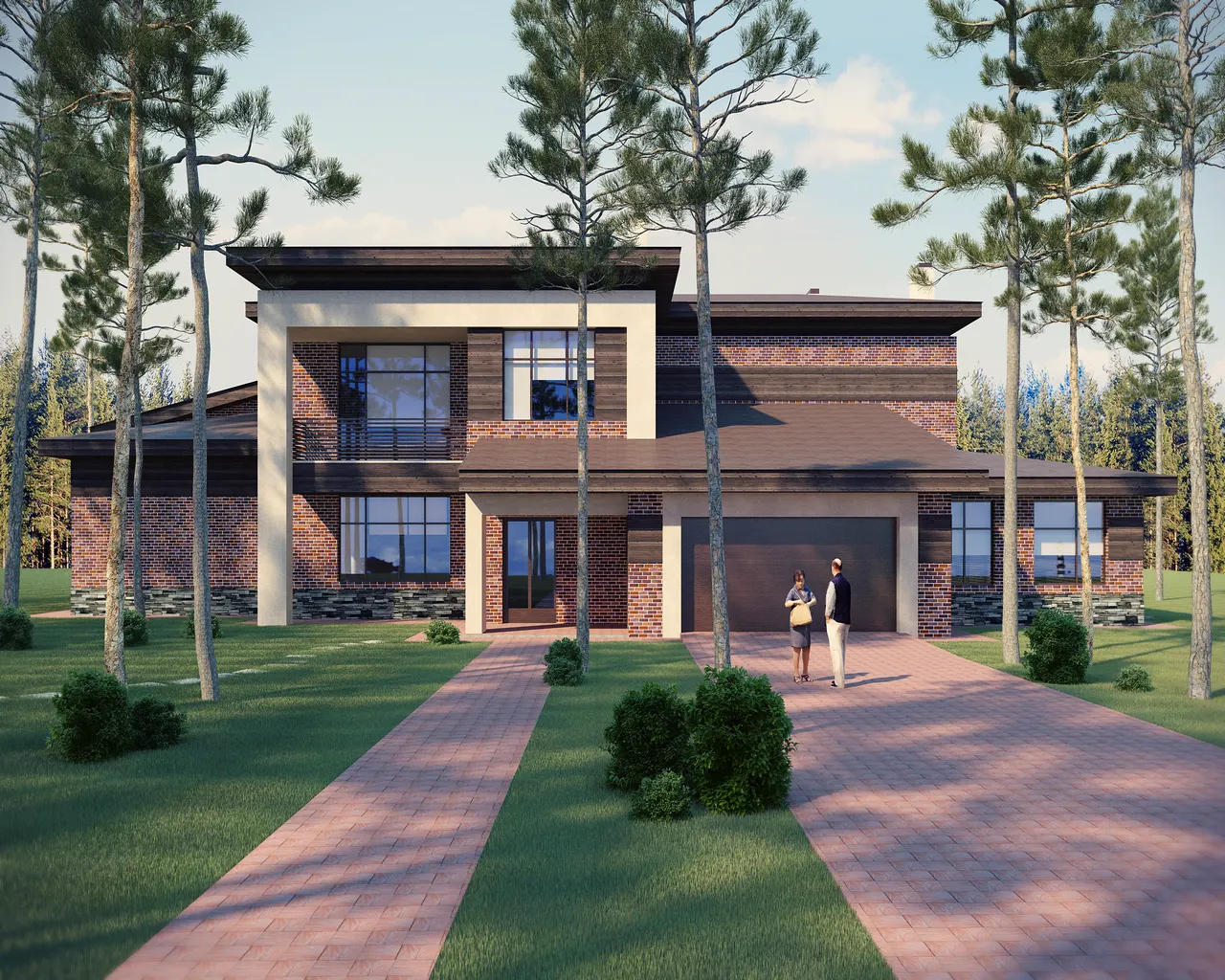
Decks and porches on older homes
Deck Repair White Bluff TN: Inspecting and Fixing an Aging Outdoor Space
Nearly one in three White Bluff homes dates from before 1970, and another third from the 1970s and 1980s. A deck attached to a house of that age can be old enough to need more than a fresh coat of stain.
White Bluff at a Glance
- Location
- 24.4 miles west of central Nashville (straight line)
- County
- Dickson County
- Population (2023 estimate)
- 4,161
- Housing units
- 1,953
- Median year homes were built
- 1982
- Owner-occupied homes
- 68%
- Detached single-family homes
- 73%
- Built before 1970
- 32%
- Built 2010 or later
- 6%
Sources: US Census Bureau 2023 Gazetteer, Vintage 2023 population estimates, and American Community Survey 2023 5-year estimates for the place. County is taken at the place’s center point; some communities extend into other counties.
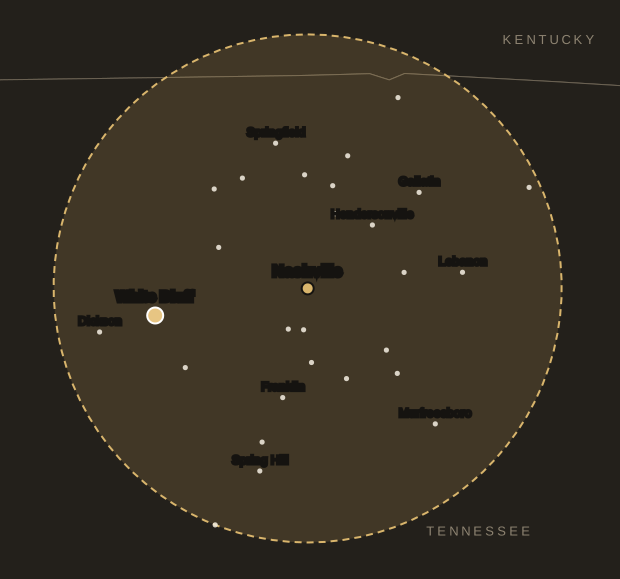
An old town with an older-than-average housing mix
White Bluff has a long record for its size. The town’s own history says it takes its name from the white bluffs along nearby Turnbull Creek, that Fort White Bluffs went up in 1806 and that an iron forge soon followed. A 1946 fire destroyed much of the town, and the White Bluff Utility District was formed in 1965.
Census figures reflect that long timeline. The median year built is 1982. About 17% of homes predate 1950, another 15% date from the 1950s and 1960s, and 31% came between 1970 and 1989. Only 6% were built since 2010. About 68% of occupied homes are owner-occupied and 73% of units are detached houses, with a real share of rentals and other housing types in the mix.
The data doesn’t say how many homes have decks or how old those decks are. But a deck added to a house around 1985 or 1995 could easily be 30 or more years old, whatever the home around it has had done. That is the situation this page addresses, from the point of view of someone standing in the yard trying to work out whether a soft board is a small problem or a warning sign.
Inspect from the bottom up
Most people judge a deck by its top surface, which is the least important part structurally. Go underneath with a flashlight and a screwdriver on a dry day. Press the tip into the wood where it matters. Sound treated lumber resists; decayed wood gives way and crumbles.
The ledger
This is the board that fastens the deck to the house, and it is where serious failures tend to begin. Look for real bolts or structural screws (nails alone are a concern), flashing over the top and any dark staining on the house wall behind it.
Joist hangers and fasteners
Look for rust, missing nails or hangers pulling away. Older galvanized hardware can corrode, especially where it touches some treated lumber, and a hanger that has rusted through is not holding anything.
Posts and footings
Check where each post meets the ground or pier. Posts buried in soil or sitting in a wet pocket are likely to decay first. Also look for leaning, heaving or footings undermined by runoff.
Beams and joists
Probe the ends, top edges and any place where boards trap water. A few soft spots in decking are common, but soft framing is a different class of problem.
Stairs
Stringers often rot where they sit on the ground. Test each tread and confirm the handrail holds when you put your weight on it.
Railings
Push firmly on each post. Railings should feel solid. Wobble often comes from fasteners that were never meant to carry that load, and older decks may have baluster spacing that is wider than current rules allow.
If the ledger, a main beam or a post is compromised, stop using that part of the deck until someone has evaluated it. That isn’t a scare line. It’s simply where the load path runs.
Why the wood in a pre-2004 deck deserves a second thought
If your deck was built before 2004, its pressure-treated lumber may contain chromated copper arsenate. The EPA’s page on CCA explains that manufacturers voluntarily stopped producing CCA wood for homeowner uses at the end of 2003, and that it was used in decks and playsets before then. The agency doesn’t require removal of existing structures or the soil around them.
For a homeowner, that leads to some practical points:
- EPA suggests applying a penetrating coating, such as an oil- or water-based stain, on a regular basis to reduce leaching from older CCA wood
- Sanding, sawing or cutting old treated lumber creates dust, so use protection and contain it, and clean up afterward
- Never burn treated scraps, including in a fire pit or wood stove
- Ask how demolition waste will be disposed of before work begins
- Newer treated lumber and fasteners are not always compatible with older hardware, so replacement parts should be selected together
You can’t tell by looking whether a given board contains CCA, so if the deck’s age is unknown, treat it as if it might and handle cut waste accordingly.
Repair, re-deck or rebuild
The University of Tennessee Extension’s decking fact sheet notes that untreated wood will quickly rot in the state’s warm, humid climate, and it lists preservative-treated wood, naturally durable wood and wood-plastic composite as the main board options, each with trade-offs. That matches what most owners find: a deck’s life is really a matter of moisture over time. So the decision usually comes down to which parts are still dry and sound.
Spot repair
Makes sense for a few split boards, a loose stair tread, a tired rail section or some failed hangers, with sound framing throughout. Deck repair of this kind can extend the useful life of a structure that is basically healthy.
New surface on old framing
Reasonable when joists and beams test solid and only the walking boards are finished. Composite boards may need closer joist spacing, so check the manufacturer’s span tables against the existing frame.
Full rebuild
Usually the better value when a ledger is badly attached, posts have decayed at grade, or the deck is too small or awkward to enjoy. A rebuild also lets you correct flashing and footing problems at their source.
Convert to a porch
Roofing part of a deck changes the loads completely, so it means new footings and structure. It is really a small addition project, with design and permit steps to match.
Whichever applies, one tiny habit helps. Keep the boards clear of leaf piles and planters, sweep the gaps and maintain clean gutters so overflow doesn’t sheet down onto the framing. Once a year, in a dry spell, repeat the screwdriver test at the ledger, post bases and stair stringers, and tighten any loose bolts. Reapply stain or sealer when water stops beading on the boards. Those few habits won’t rescue framing that has already decayed, but they do help keep a repaired deck dry for longer.
Older front porches have their own issues
With 32% of homes built before 1970, many front porches in town are likely older than any rear deck. Painted porch floors, ceilings, columns and railings on pre-1978 homes may contain lead paint, and the EPA’s renovation rule applies to paid work that disturbs those surfaces. Scraping and sanding a porch are exactly the kind of activity it covers.
Look at the bottoms of columns, the outer edge of the porch floor and any spot where a roof leak has been running down a post. Sometimes the trouble starts above, at a flashing or a damaged section of roof, and our roof leak repair service may belong in the same scope. Our handyman services can address smaller porch items like a loose rail, rotted trim or a sticking screen door, and exterior carpentry and siding work can cover what’s behind them.
Also watch how the ground drains near the structure. The town sits close to Turnbull Creek, so look up your own parcel on the flood map before planning work near it. If your yard stays wet or sits near a creek, check the FEMA flood map for your address and ask the town before adding footings or fill.
Talking with White Bluff’s codes office
The town’s Codes Department page lists a Codes Administrator at (615) 797-3131, extension 108, and it shows building permit fees effective January 1, 2026, along with adopted editions: the 2021 residential, building, existing building, mechanical, fuel gas, plumbing and property maintenance codes, and the 2018 energy conservation code. It tells readers to check with Town Hall that no updates have been approved since.
That page has a fee category for remodels but doesn’t address decks by name. So the right move is a call. Describe the size, height and attachment of what you plan, and ask whether a board-for-board repair, a re-deck and a full rebuild are treated differently. Also ask which inspections apply, such as footing and framing stages, so that nothing gets covered too early. Lots outside town limits may fall under Dickson County instead.
My deck in White Bluff looks fine on top. Is it worth paying someone to look underneath?
If it’s more than 15 or 20 years old, or you’ve never looked yourself, it’s reasonable. Start with the bottom-up steps above. If you find anything soft at the ledger, a beam or a post, ask for a closer inspection and a written scope.
Does deck repair White Bluff TN homeowners do themselves need a permit?
Ask the Codes Department. Its page doesn’t list decks specifically, and the answer may depend on how much structure you’re changing, so describe the work before you buy lumber.
Can old railings simply be reinforced?
Sometimes. If the posts are sound and only the fasteners have failed, new structural connections may solve it. When the post bases have decayed, new posts are the honest fix, and it’s worth checking baluster spacing and height at the same time.
We serve White Bluff with deck repair alongside larger exterior and interior work, and free estimates are available through our request page. People comparing nearby towns can look at Dickson, which has its own permit office in the same county, or Fairview, where most homes are newer.
Sources for Local Facts
Let’s Build Something Great Together.
Ready to start your next construction or remodeling project? Tell us about your space and request a free estimate.