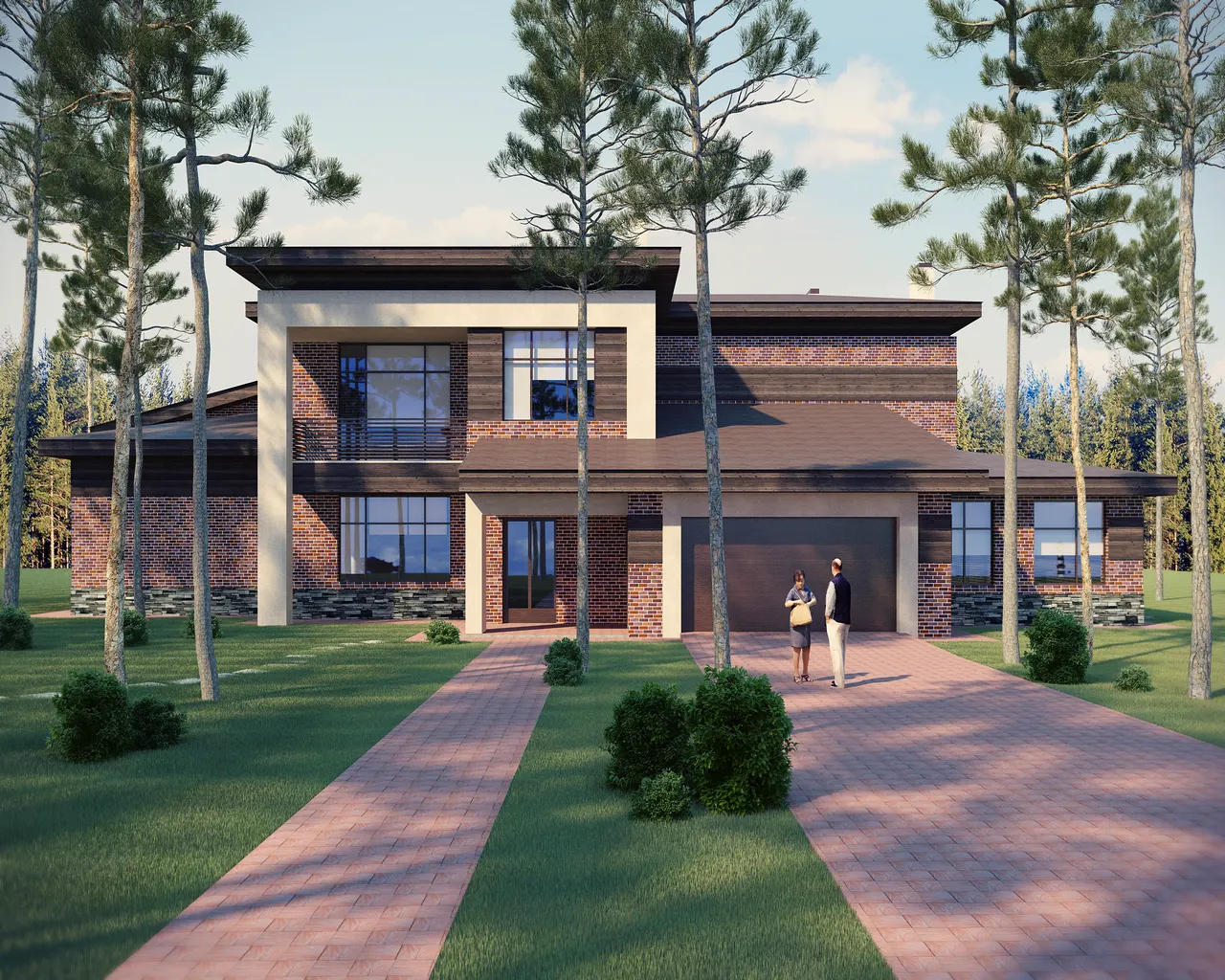
Village bungalows, later houses
Roofing in Stone Mountain, GA: Two Sets of Rules
The first thing to find out about your roof in this city is not its age. It is whether your house sits inside the local historic district.
Stone Mountain at a Glance
- Location
- 13.0 miles east of central Atlanta (straight line)
- County
- DeKalb County
- Population (2023 estimate)
- 6,553
- Housing units
- 2,854
- Median year homes were built
- 1978
- Owner-occupied homes
- 53%
- Detached single-family homes
- 60%
- Built before 1970
- 28%
- Built 2010 or later
- 4%
Sources: US Census Bureau 2023 Gazetteer, Vintage 2023 population estimates, and American Community Survey 2023 5-year estimates for the place. County is taken at the place’s center point; some communities extend into other counties.

One small city, two very different roofing jobs
Stone Mountain has about 6,500 residents and 2,854 housing units, and it packs a lot of history into that. The city’s design guidelines describe two growth periods: one from 1836 to 1864, brought by the railroad, and another from the 1880s to the mid-twentieth century, driven by granite quarrying around the mountain. At its peak the Stone Mountain Railway and Granite Company was producing 200,000 paving stones and 2,000 feet of curbing a day. Prosperity from that trade paid for a boom in early 20th-century houses.
The Census tells the other half. Nearly half of the city’s homes, 49%, were built between 1970 and 1989, and another 21% from 1950 to 1969. Just 7% predate 1950, and only 4% have gone up since 2010. Median year built is 1978. About 60% are detached, and owners occupy 53%. So anyone looking into roofing Stone Mountain GA homes need is really asking one of two questions: how to re-roof a historic house under design review, or how to re-roof a house from the 1970s or 1980s that has no such constraint. The answers differ a good deal.
Inside the historic district
The city’s building permit page says many buildings in Stone Mountain Village lie within the historic district and carry added restrictions. It warns that failing to obtain necessary building, trade or historic permits can bring delays, penalties and possible removal of a structure. The city’s request is direct: contact City Hall before beginning any construction, even if you don’t believe a permit is required. For a roof, that advice is worth following literally.
How review works
The Historic Preservation Commission, created in 1996, has seven members and runs design review for properties in the local district. It meets monthly at City Hall. Applications for a Certificate of Appropriateness are due 14 days before the regular meeting. The city’s page does not list exactly which work needs a certificate, and neither did the part of the guidelines we reviewed, so don’t assume a like-for-like roof is exempt. Ask. Then build that lead time into your plans, which means a roof that is slowly wearing out gets a better outcome than one that has already failed.
Why the roof is treated as a design feature
The guidelines define local house types partly by their roofs. They describe bungalows with low-pitched roofs and wide overhangs, Craftsman houses with exposed rafters, and pyramid cottages with steep, pyramidal roofs. The National Register nomination for the district calls bungalows the most common historic house type here and counts 273 contributing buildings. It lists asphalt among roof materials and notes standing-seam metal on at least one masonry building. It also points out the distinctive use of granite foundations, piers and chimneys. So keep the following in mind when planning:
- Exposed rafter tails and deep eaves are part of the look, and rot there calls for careful repair instead of boxing in
- Roof pitch and shape should not be altered casually for a dormer or an added ventilation scheme
- Granite chimneys need flashing that respects old masonry, and sometimes their joints need attention before new flashing goes in
- Newer vents and skylights are less noticeable on rear slopes, so discuss placement in advance
- Painted trim on a house this old falls under EPA’s lead renovation rule for paid work on pre-1978 homes
What to have in hand before you call City Hall
A short package makes the first conversation much more productive. Bring the street address, the approximate age of the house, clear photos of every slope and of the eaves, and the current roof material. Note the product and color you are considering, and whether anything else will change, such as vents, skylights, gutters or trim. If some part of the roof is failing, photograph that too, and ask what can be done to protect the house while you wait for a meeting. A repair that keeps original material in place may also raise fewer questions than replacement, so it’s worth pricing both before you file.
The same guidelines also describe Shermantown, a late 19th-century African-American neighborhood within the city limits, south of downtown on 2nd, 3rd and 4th Streets, where lots tend to be smaller. Check your own address against the district map instead of assuming, in either direction.
Outside the district: the 1970s and 1980s house
This describes the majority of homes in the city, and a roof on one of them is usually a much plainer proposition. A house from this period has likely been re-covered at least once, so the question is mostly about condition and detail rather than appearance.
Stacked layers
An earlier re-roof may have gone directly over the first one. Find out, as the extra weight and uneven surface affect how the next roof performs.
Original decking
Panels that have been through decades of attic heat and a few leaks may have soft areas near eaves and valleys. Those show up only at tear-off, so ask how they are priced.
Tired flashing and pipe boots
Rubber vent collars often give out before the shingles do. They are a very common source of the small ceiling stains that homeowners attribute to bad shingles.
Wood fascia and siding contact
Homes of these decades frequently have wood or hardboard details near the roofline. A siding and exterior repair alongside the roof can solve what a roof alone won’t.
Attic air
Blocked soffits and bath fans that vent into the attic shorten a roof’s life. UGA Extension’s moisture checklist covers both and is a useful thing to walk through yourself.
If you own one of these houses, start with a roof inspection, and get a repair quote and a replacement quote side by side if the roof is older. The checklist above also lists missing or curling shingles, water pooling and worn flashing as warning signs. Good gutters matter too, and gutter cleaning is the least costly protection you can give a fascia board. Downspouts should carry water several feet away from the foundation.
When comparing written proposals, line them up by what they include rather than by the shingle named at the top. Look for the number of layers being removed, how much replacement decking is included before extra charges apply, whether all flashing and pipe collars are new, how the attic will be ventilated, and how the yard and any gutters will be protected during the tear-off. If one bid is far lower than another, the difference is usually hiding in one of those lines.
Trees, permits and who to call
A roof and the trees above it are often the same conversation. The city’s Planning and Zoning page explains that if a tree is dangerous or leaning, you should photograph it and contact the department, and that in a true emergency, removal may be allowed immediately without a permit where there is clear risk to safety or property. Outside the historic district, a tree permit application applies. The page does not spell out the process inside the district, so ask first.
On permits generally, the city’s building page does not say whether re-roofing needs one, so call and ask rather than guessing. It lists City Hall at 875 Main Street, phone (770) 498-8984. It also names a contracted firm for inspection and plan review, offers building, electrical, HVAC and plumbing applications, and links to a homeowner affidavit and an authorized agent form that a contractor may need you to sign. The Community Development Director is listed as the contact for Certificate of Appropriateness questions.
Check whether you are actually in the city, too. A Stone Mountain mailing address does not by itself place a house within the city limits, and if yours is outside them, this city’s commission and permit office are not the ones to call. Tucker and Clarkston are nearby and run separate offices of their own.
Stone Mountain roofing questions
I live in the village and only want to replace worn shingles with similar ones. Do I still have to call?
Yes, call. The city asks to be contacted before any construction, even if you don’t think a permit is needed, and the commission reviews work in the local district. A short phone call beats dealing with a violation later.
Is my bungalow's low-pitched roof a problem for shingles?
Low slopes have less margin for water, so underlayment and eave protection deserve extra attention. Ask how the installer will handle the pitch of your specific roof and whether the materials meet the manufacturer’s slope limits.
My house is a 1980s home south of the village, and the HOA has a color list. Does the city care?
If you are outside the local district, the historic commission is unlikely to be involved, though you should confirm. Association rules are separate and can still apply. Get the approved colors before you order.
Does the granite in old foundations and chimneys affect anything else?
It can affect flashing details and how water behaves at the base of the wall. Keep gutters and downspouts working so that water does not sit against old masonry, and have any mortar work done with materials suited to its age.
Twelve25 serves Stone Mountain for roof repair, replacement, inspection and new roof installation, and also offers custom renovations for older homes. Tell us your address, whether it’s in the district and what you are seeing, and we can give you a free estimate.
Sources for Local Facts
- City of Stone Mountain: Building Permits
- City of Stone Mountain: Historic Preservation Commission
- City of Stone Mountain: Department of Planning and Zoning
- City of Stone Mountain Design Guidelines, Chapter 1: Historic District Overview
- National Park Service: National Register nomination, Stone Mountain Historic District
- EPA: Lead Renovation, Repair and Painting Program
- University of Georgia Extension: Mold and Moisture Home Inspection Checklist
Let’s Build Something Great Together.
Ready to start your next construction or remodeling project? Tell us about your space and request a free estimate.