
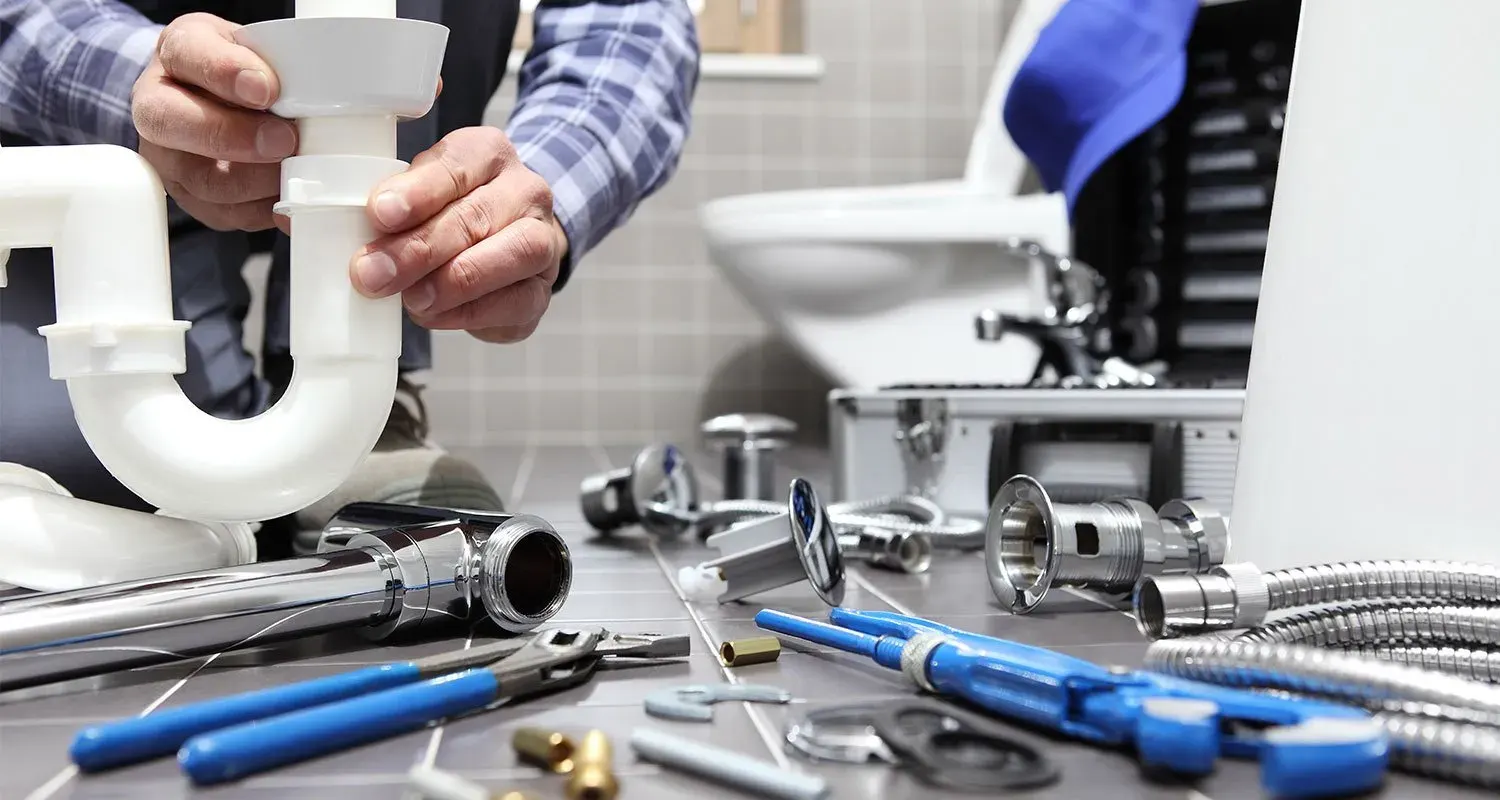
Pipes, stacks and shutoffs
Plumbing for Sandy Springs, GA Condos, Townhomes and Houses
Only about a third of the homes in Sandy Springs are detached houses, so a plumbing problem here often involves a neighbor, a board or a shared riser as well as a pipe. We serve the city with plumbing repairs and with the remodels that open up old lines.
Sandy Springs at a Glance
- Location
- 12.7 miles north of central Atlanta (straight line)
- County
- Fulton County
- Population (2023 estimate)
- 105,793
- Housing units
- 55,765
- Median year homes were built
- 1988
- Owner-occupied homes
- 51%
- Detached single-family homes
- 32%
- Built before 1970
- 15%
- Built 2010 or later
- 17%
Sources: US Census Bureau 2023 Gazetteer, Vintage 2023 population estimates, and American Community Survey 2023 5-year estimates for the place. County is taken at the place’s center point; some communities extend into other counties.

A city where most homes share something
The Census counts about 55,765 housing units in Sandy Springs, and just 32% of them are detached single-family houses. Owners hold about 51% of occupied homes, which leaves nearly half in the hands of renters. Those two figures shape a plumbing call more than any brand of faucet does. In a detached house, the owner decides what happens from the street to the last fixture. In a condo or an apartment, a wet ceiling raises a harder first question: whose pipe is it, and who pays to open the wall?
Age adds a second layer. About 40% of the housing stock went up between 1970 and 1989, another 13% between 1950 and 1969, and 2% before that. Put together, roughly 55% of homes here predate 1990, and the median year built is 1988. At the other end, 17% date from 2010 or later. A tower finished a decade ago and a 1960s ranch a mile away have almost nothing in common behind the drywall, so a sensible plan starts by finding out which of those you own.
Sandy Springs sits about 13 miles north of downtown Atlanta, with Dunwoody just over three miles east. The housing mix is what sets it apart from those north-side neighbors, and it is why this page is arranged by building type rather than by repair.
Plumbing Sandy Springs GA owners can sort by building type
Before anyone picks up a wrench, work out which of these three situations you are in. The answer decides who gets a phone call, who signs off and how much of the job is really yours.
Condo or apartment
Read the declaration or lease first. Many associations treat the vertical stacks and risers as common property and the branch lines inside a unit as the owner’s, though documents differ. Ask the manager where the unit’s shutoff is, whether a riser shutdown needs notice, and what the building requires for access and insurance paperwork.
Townhome
Water and drain lines may run beneath a shared slab or inside a party wall. A leak can appear in the unit next door before it shows in yours. Check whether the association has any say over exterior wall openings or yard digging, and find out where your own main valve sits before you need it.
Detached house
You likely own everything from the meter or the service connection inward, plus the sewer lateral to the public line. Ask your water and sewer providers exactly where their responsibility stops. The yard line is the costly surprise, and the tree section below applies if digging comes up.
Renters should go through the landlord or manager in all three cases. If you own a rental, it helps to write down the location of every shutoff and hand a copy to the tenant, since a closed valve in the first few minutes limits the damage more than anything done later.
Why the year 1986 deserves a look
The EPA says lead pipes are more likely in older cities and in homes built before 1986. It also notes that where no lead service line exists, the most common trouble comes from brass or chrome-plated brass faucets and from plumbing joined with lead solder. Federal limits on solder and flux are now far tighter.
With more than half of local homes built before 1990, a good share of Sandy Springs properties fall in or near that window. Age alone tells you nothing certain about your own water, and it should not cause alarm. It is a reason to find out rather than assume. The EPA suggests asking your water utility or a licensed plumber whether you have a lead service line, having the water tested through the utility or a state-approved lab, cleaning faucet aerators, and using only cold water for drinking and cooking.
A remodel is a natural moment to deal with any of this. When a bathroom wall is already open, replacing an old copper branch or a tired brass valve is a small addition. Doing the same work later means cutting into new tile.
Things worth checking on a Saturday morning
None of these need tools beyond a flashlight, and all of them are aimed at homes that have reached 30 or 40 years of age. The EPA’s WaterSense program estimates that an average family can lose about 9,400 gallons a year to household leaks, so a quiet drip is worth more attention than it usually gets.
- Turn off every fixture and watch the water meter, if you can reach one. Movement with everything off suggests a leak somewhere.
- Look at the supply lines under sinks and behind toilets. Rubber hoses with bulges or rust at the crimp are cheap to swap and expensive to ignore.
- Operate each shutoff valve gently. Valves that have not moved since the 1980s may refuse to close, or may drip once they do.
- Read the data plate on the water heater, note the age, and look for rust or dampness around the base and the pan.
- Check ceilings beneath bathrooms for faint rings, and look around tub overflow plates and shower valves for soft spots.
- Note what the visible pipe is made of. Gray plastic supply line, commonly called polybutylene, was widely installed during the 1980s and has a poor record, so it deserves a professional opinion if you find it.
- Listen for water hammer or a toilet that refills by itself, both of which point to pressure or valve problems.
In a stacked building, also ask neighbors above and below whether they have noticed damp spots. A slow drain in several units on one line suggests the problem belongs to the riser and to the association, which is a different job from clearing a single trap.
A yard line can run into the tree rules
Detached lots bring a concern that condo owners never face: replacing a sewer or water line can mean digging near big roots, and Sandy Springs regulates tree removal closely. The city’s tree removal permit page says a permit is needed, for removal apart from construction, when a tree measures 18 inches in diameter at breast height or more, when a dogwood or redbud reaches 10 inches, or for any tree inside a stream buffer.
Removal tied to grading, pools, patios or additions follows a different path, a Tree Conservation Plan instead of the removal permit. The page does not list plumbing trenches specifically, so if a line replacement could harm or remove a sizable tree, call the city at 770-730-5600 and ask to speak with the City Arborist before the trench is planned. Dead or hazardous trees also need documentation approved by the arborist before they come down without a permit.
Roots and old clay or cast-iron drain lines are often in conflict anyway. A camera inspection tells you where the trouble is, and that matters because it may show that a short repair avoids the root zone altogether. It costs little to ask the question early, when the route of the new line can still change.
Permits, and which work tends to come with them
The Community Development department houses a Building and Construction division that reviews plans, issues permits and carries out inspections. Applications go through Build Sandy Springs, the city’s online portal, which requires registration. Contractors and trade professionals register their licenses with the city through a contact process, and that page lists permit types and offers meetings with staff.
We won’t try to tell you from this page which plumbing job requires what. Rules change and details matter, so confirm with the city before the work starts. As a rough way to think about it, moving a fixture, adding a line or replacing a major component is the kind of work to ask about, while a new faucet washer is unlikely to raise the question. In a condo, the association may have its own approval step in addition to the city’s.
Here is how plumbing tends to connect with the rest of our work in a building of this age:
- A bathroom update is the usual time to replace shower valves, drains and supply branches in a wall that is already open.
- A new kitchen layout that moves a sink or adds an island means new drain routing, which is much tougher over a slab or inside a shared floor assembly.
- After a leak, drywall patching and repair closes the wall once the cause is confirmed and the cavity has dried.
- Small jobs such as a running toilet or a loose fixture can sit under our handyman services.
Our plumbing services page covers the trade work itself. When you want a written scope with clear pricing before anything is opened up, you can ask for a free estimate.
Questions that come up in Sandy Springs buildings
Water is coming through my condo ceiling. Who do I call first?
Your building manager or association contact, right after shutting off your own water if the source could be yours. They can identify the unit above and the common lines, and they may need to arrange access or a riser shutdown. Your insurer will want an early call too.
My house went up in the late 1980s. Should I be worried about its pipes?
Not worried, but curious. A house from that period sits right around the 1986 date the EPA mentions and may have supply lines, valves and a water heater that have never been replaced. A plumber’s walk-through and a water test give you real information to act on.
We own a rental unit near the Perimeter. What should we plan for?
Know the shutoffs, keep records of water heater age, and agree with the tenant on how leaks get reported. If the unit is in an association, check who controls the lines before you schedule repairs, and keep a copy of the governing documents where you can find them.
Sources for Local Facts
Let’s Build Something Great Together.
Ready to start your next construction or remodeling project? Tell us about your space and request a free estimate.